Poles, Permits, and Payback: Decoding Why Fiber Reaches Some Office Parks and Not Others
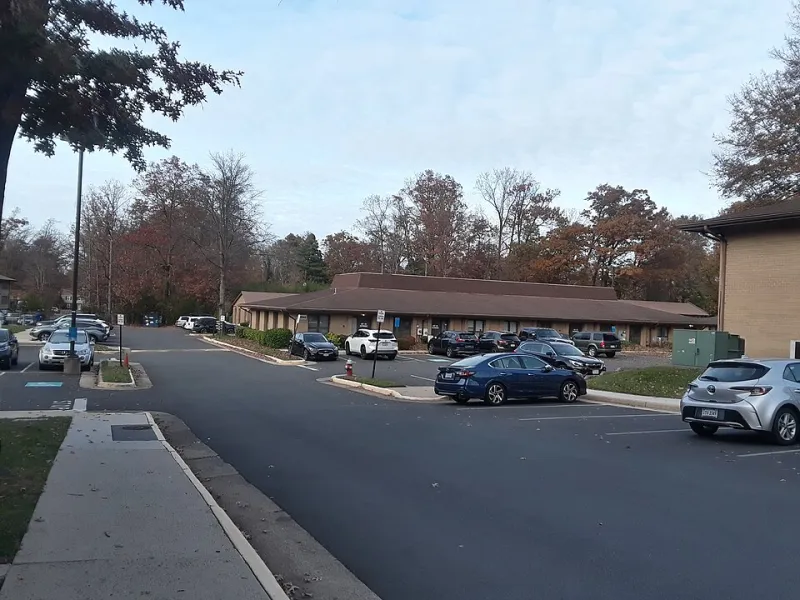
Photo: Ser Amantio di Nicolao, CC0, via Wikimedia Commons
Drive through any suburban commercial corridor in the United States and you'll see the same paradox play out block after block. A newly constructed medical plaza advertises symmetric gigabit fiber from three carriers. A quarter mile down the road, a manufacturing outfit in a building just as old — or newer — is bonding two DSL lines and paying a small fortune for a 10 Mbps circuit that drops every time it rains.
This isn't random. Fiber deployment in the American suburbs follows a logic that is invisible to most IT decision-makers until they're the ones stuck negotiating for bandwidth that doesn't exist. Understanding that logic — utility pole rights, municipal franchise terms, and carrier return-on-investment math — is the difference between signing a favorable three-year contract and spending five years on a copper lifeline.
The Payback Spreadsheet Decides Before You Do
Carriers don't build fiber where businesses need it. They build fiber where the numbers work. A typical aerial fiber build in a suburban market might run $30,000 to $80,000 per mile depending on pole congestion, permitting friction, and make-ready costs. Against that capital outlay, a carrier models the monthly recurring revenue it can realistically capture within a service radius.
The math gets brutal fast. An office park with forty tenants on multi-year contracts presents a very different revenue picture than a standalone warehouse with one occupant. Add the cost of make-ready work — the process of moving or reconfiguring existing cable on shared poles to make room for a new attachment — and a marginal build goes negative quickly.
This is why fiber availability can flip from one parcel to the next. The building next door may sit just outside the carrier's payback radius, and no amount of demand from a single tenant moves that line on its own.
Pole Rights: The Hidden Gatekeeper
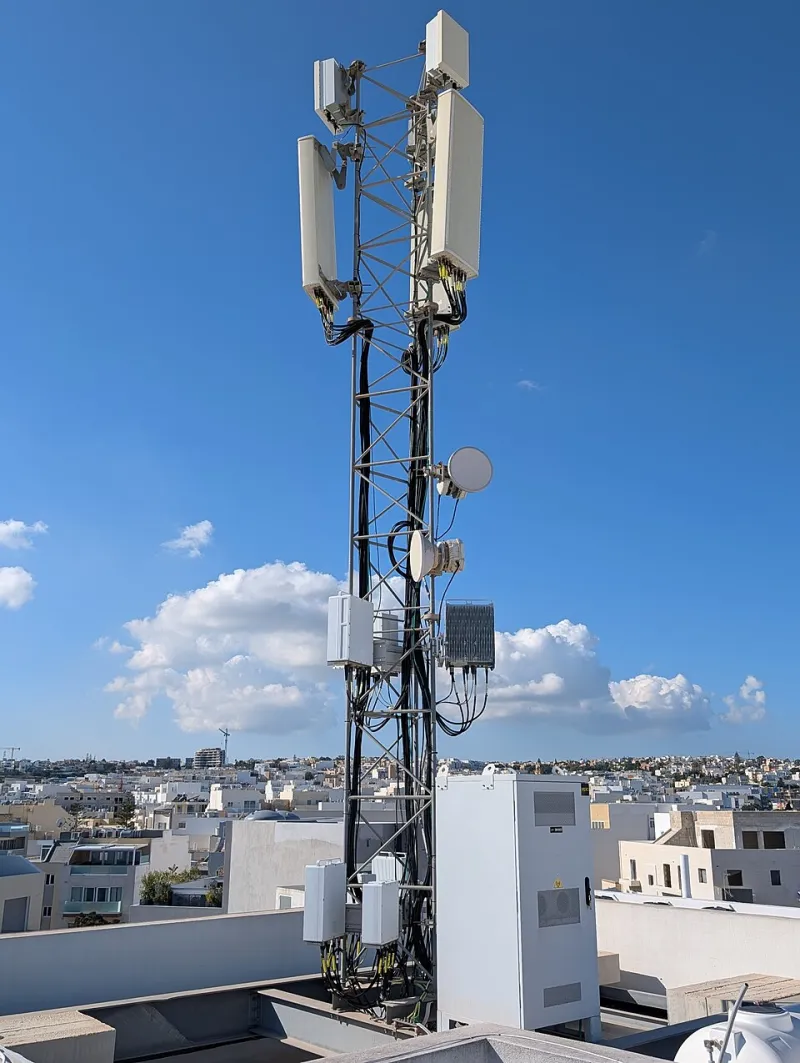
The most misunderstood variable in suburban fiber deployment is the utility pole itself. In most of the country, poles are owned by incumbent electric utilities or telephone companies, and every new attachment requires a license, an engineering survey, and physical make-ready. In congested corridors, that process can stretch from months into years.
States regulate this process differently, and the differences matter. Some jurisdictions have adopted enforceable timelines for attachment approvals; others leave carriers at the mercy of the pole owner's backlog. A carrier evaluating two suburbs with identical customer demand may choose the one with faster pole attachment turnaround — and the other suburb simply never hears about the decision.
Municipal franchise agreements add another layer. Where a town has negotiated right-of-way terms, permit fees, or construction windows with one carrier, competitors may face a structurally higher cost to enter. The result is a patchwork where competitive fiber in one municipality stops abruptly at the county line.
Reading Your Local Fiber Landscape
Before signing a lease or renewing a circuit, treat fiber availability as a research project rather than a sales conversation. A few practical steps:
- Map the actual providers, not the aggregators. Carrier lookup tools from resellers often list services they broker rather than facilities they own. Identify which providers have physical plant in your corridor and which are simply reselling the incumbent's copper.
- Ask about the on-net boundary. Carriers distinguish between buildings on their fiber and buildings served "near-net" or off-net. The pricing and provisioning timelines for off-net service can be dramatically worse.
- Check municipal and county broadband maps. Many state broadband offices now publish granular deployment data, and grant-funded expansion projects are often public record. A corridor slated for a state broadband grant in eighteen months changes your negotiation posture considerably.
- Talk to adjacent tenants. In a multi-tenant park, the property manager usually knows exactly which carriers have lit the campus and which have been asked and declined.
Turning Scarcity into Leverage
The good news for buyers stranded on copper is that carriers do negotiate build-outs — when the deal structure justifies the capital. The single most effective lever is term length. A five-year commitment at meaningful monthly spend can transform a negative payback calculation into an approved construction order, because the carrier amortizes the build across guaranteed revenue.
Consortium buying works the same way at larger scale. Several tenants in one park aggregating their demand — even across different providers through a neutral fiber developer — can justify a build no single tenant could. Commercial landlords increasingly understand that lit buildings command higher rents, and some will co-invest in construction in exchange for long-term leases.
Finally, get the build-out commitments in the contract, not the sales deck. A circuit delivery date, liquidated remedies for missed construction milestones, and clearly defined service terms for the new fiber are the difference between a real commitment and a letter of intent that quietly dies in a carrier's capital committee.
The Bottom Line
Uneven fiber deployment isn't a mystery — it's arithmetic, policy, and infrastructure politics stacked on top of each other. The buyers who come out ahead are the ones who understand the carrier's side of the spreadsheet, document the demand on their side of it, and negotiate as if connectivity is the capital project it actually is. Because in the last mile, it usually is.